Communication hardware demands tight timing, clean signals, and reliable assembly. We support wireless, RF, and data communication hardware teams with engineering-level manufacturing expertise — from prototype to production.
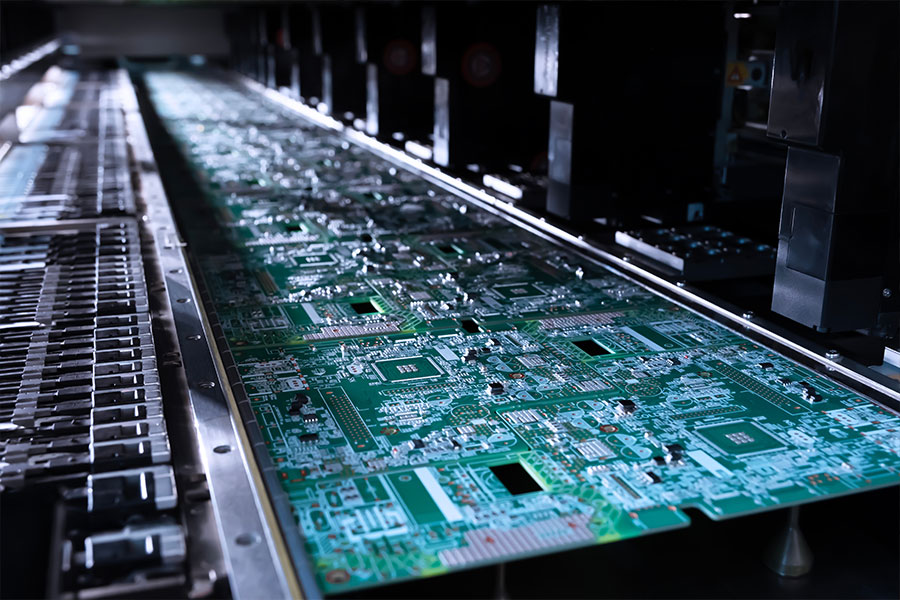
Communication hardware is built on tight timing, clean signals, and reliable assembly. Networks, radios, and data acquisition products operate in demanding environments where signal integrity, EMI performance, and long-term reliability are not optional — they’re the product.
Circuits Central supports communications component and device manufacturers across the Toronto area and all of Canada by providing flexible manufacturing support — from prototype builds and engineering validation through to production-ready processes. We work with development teams, not just purchasing departments, which means the feedback loop between design intent and build result is short.
The communications sector demands both speed and quality. Short innovation cycles mean frequent revision builds. Competitive pressure means quality cannot slip. Our model — local team, quick communication, engineering-level support — addresses both simultaneously.
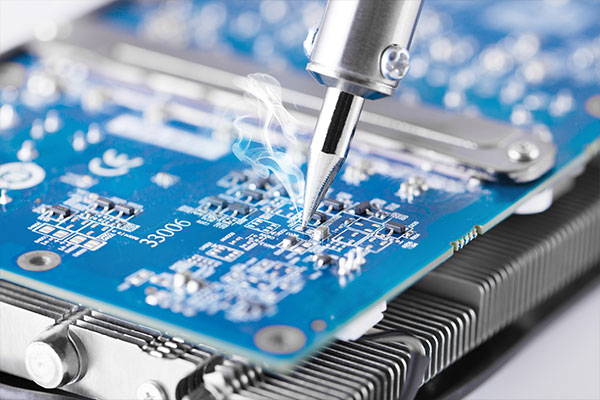
Signal Integrity Requirements
Impedance control, differential pair matching, and return-path integrity are not optional for RF and high-speed digital products. Layout and stack-up decisions made during design have direct assembly consequences.
EMI Risk Management
Co-locating RF, digital switching, and sensitive analog on one board elevates EMI risk significantly. Grounding strategy, shielding intent, and RF keep-outs need to be documented and respected during assembly.
Dense Assembly Challenges
Communications boards frequently use BGAs, QFNs, and leadless packages at high density. Hidden joint inspection via X-ray and rigorous AOI are essential — not optional quality additions.
Short Iteration Cycles
Wireless products often go through multiple hardware revisions in rapid succession. Quick-turn assembly with fast DFM feedback and short communication loops is what enables that velocity.
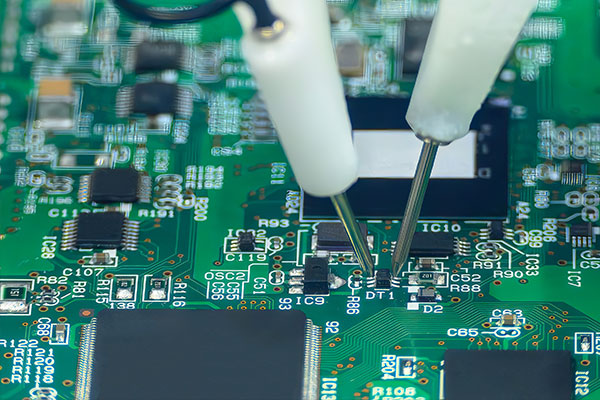
Circuits Central’s communications sector experience includes a range of connected and wireless products:
Even when you have an in-house design team, a pre-build DFM review from an experienced assembler catches issues that aren’t obvious from a design-only perspective. For communications assemblies specifically, common issues we look for include:
For communications products, speed matters — but predictability is what actually reduces risk. We support communications hardware teams with:
| Service | Value for Communications Products |
|---|---|
| Quick-Turn PCB Assembly | Fast revision builds for EVT/DVT cycles; 24-hour assembly available for eligible builds |
| Turnkey & Hybrid Sourcing | Alternates planning reduces supply risk for RF components, modules, and communications ICs with variable lead times |
| First Article Inspection (FAI) | Validates the first assembled unit before completing the lot — catches DFM and sourcing issues early |
| X-Ray & AOI Inspection | Critical for high-density assemblies with BGA chipsets, antenna connectors, and module attachments |
| Functional & RF Test Support | Product-specific test procedures including functional verification, JTAG, and stress screening |
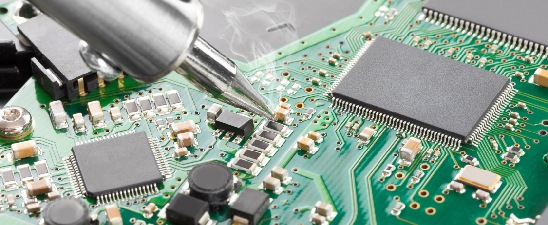
| Rework & Repair | BGA rework, component replacement, and site repair during bring-up to recover assemblies without scrapping boards |
Many communications manufacturers use a mix of local quick-turn and offshore high-volume production depending on development stage. A practical approach: prototype and pilot locally where iteration speed and engineering collaboration matter, then transition stable, proven designs to volume production once the design is validated and supply chain is mature. Circuits Central supports the local stage of that model — including the documentation discipline that makes the transition to volume production smoother.
Trustindex verifies that the original source of the review is Google. Excellent PCB assembly services. We have had an excellent experience with Circuits Central. - Turn Around Time: Boards were always assembled on time including expedited projects with 24-hour TAT. - Customer Service: Customer service is fast to respond over email and resolve any outstanding issues very quickly. - Quality: Excellent assembly quality with no errors or issues including for complex projects. - Communication: Circuits Central made the jobs simple to submit. We didn't have to submit many files or prepare every last detail for them.Posted onTrustindex verifies that the original source of the review is Google. Circuits Central has been making our boards for over 25 years. They are a great company to work with.Posted onTrustindex verifies that the original source of the review is Google. Great customer service! Highly recommend the team at CCIPosted onTrustindex verifies that the original source of the review is Google. I've been using Circuits Central for over 10 years for all of our NPI projects. Workmanship is exceptional and deliveries are always on time. Many thanks to the Circuits Central team.Posted onTrustindex verifies that the original source of the review is Google. Excellent service and printed circuit assembly quality for 6 years so far, at a very reasonable price. Highly recommended!Posted onTrustindex verifies that the original source of the review is Google. Tailored Service Levels and Pricing. Excellent quality!
Please fill out the form below and we will get in touch with you to further discuss your needs.
