
What OEMs Should Look for in a PCB Manufacturing Partner
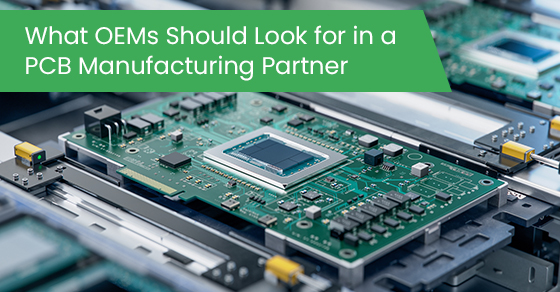
Choosing the right PCB manufacturer has a direct impact on product performance, production timelines, and long-term cost control. For OEMs, the decision goes beyond sourcing components; it shapes supply chain stability and the ability to scale reliably over time. This guide outlines how to evaluate potential partners so you can make a more informed and confident decision.
How to Evaluate a PCB Manufacturer for Quality and Reliability
Selecting a PCB manufacturer requires more than a surface-level comparison of capabilities. OEMs need to assess both technical fit and operational reliability to avoid disruptions and maintain consistent output. A strong partner supports manufacturability, maintains predictable quality, communicates clearly, and adapts as production needs evolve.
Quality Systems and Certifications
A structured quality management approach is one of the clearest indicators of how a PCB manufacturer operates day to day. Documented procedures, inspection checkpoints, and traceability protocols show whether processes are controlled or left to variation.
During evaluation, OEMs should look beyond certificates and review how those standards are applied in practice. Consistency in inspection, clear documentation of defects, and defined corrective action processes often reveal more than a certification list alone.
Useful questions at this stage might include how testing is performed at each production phase, how non-conformances are tracked, and how recurring issues are resolved. These details help clarify whether quality is embedded into operations or treated as a final checkpoint.
Manufacturing Capabilities and Technical Fit
Every design places specific demands on materials, tolerances, layer counts, and finishing requirements. Misalignment between design needs and production capabilities often leads to delays, rework, or compromised performance.
OEMs should compare current board specifications against what each PCB manufacturer can consistently produce. It is also worth considering how those capabilities may need to evolve as products become more complex or undergo revision.
| Capability Area | What to Evaluate |
|---|---|
| Materials | Supported substrates and specialty materials |
| Layer Count | Maximum and typical layer configurations |
| Tolerances | Precision levels for critical dimensions |
| Surface Finishes | Available finishes and compatibility |
| Complexity | Experience with high-density or advanced builds |
Reviewing these areas side by side helps clarify whether a manufacturer can support both current production and future iterations without introducing unnecessary risk.
Engineering Support and DFM Collaboration
Engineering involvement often determines how smoothly a design transitions into production. Early feedback can uncover layout challenges, material mismatches, or tolerance concerns before they create delays.
A capable PCB manufacturer contributes through design for manufacturability input, identifies potential risks early, and communicates directly with engineering teams when adjustments are needed. This collaborative approach reduces the likelihood of repeated revisions and improves overall yield.
OEMs should expect engineering input during design reviews, especially when working with tight tolerances, new materials, or complex layouts. Recommendations at this stage can simplify production and shorten the path from prototype to full-scale manufacturing.
Capacity, Lead Times, and Supply Chain Stability
Production timelines depend on more than quoted turnaround estimates. Capacity planning, material sourcing, and scheduling discipline all influence whether deadlines are met consistently.
OEMs should evaluate how a PCB manufacturer manages production loads, how flexible their scheduling is, and how they respond when demand changes. Supply chain resilience also plays a role, particularly when sourcing materials that may be subject to fluctuation.
Missed timelines can affect product launches, inventory planning, and customer commitments. For that reason, it is worth discussing typical lead times, how capacity is allocated, and what escalation paths exist when disruptions occur.
Communication, Transparency, and Partnership Approach
The quality of communication often becomes clear early in the evaluation process. Timely updates, realistic expectations, and clear explanations signal how a manufacturer will operate once production begins.
OEMs benefit from partners who share accurate timelines, address issues directly, and provide visibility into production status. Transparency reduces uncertainty and allows teams to make informed decisions when conditions change.
Early interactions, such as quoting and onboarding discussions, can reveal whether a PCB manufacturer prioritizes long-term collaboration or focuses only on closing individual orders. Consistent communication practices tend to reflect how the relationship will function over time.
Questions OEMs Should Ask Before Choosing a PCB Manufacturer
Turning evaluation criteria into direct questions can help uncover how a manufacturer actually operates. During discovery calls or qualification meetings, OEMs may consider asking:
- How are quality issues tracked, documented, and resolved?
- What manufacturing capabilities are standard versus conditional?
- How does your team support DFM reviews and engineering collaboration?
- What factors influence your typical lead times?
- How do you handle unexpected production delays or supply disruptions?
- What communication structure can we expect during active production?
These questions help move the conversation from general claims to specific operational details.
Choosing a PCB Manufacturer That Supports Long-Term Growth
Selecting a PCB manufacturer involves balancing quality systems, technical capability, engineering support, and operational reliability. The right partner helps maintain consistency, adapt to evolving requirements, and reduce production risk over time. Circuits Central works with OEM teams to support both immediate production needs and long-term scalability.
Reach out to Circuits Central today at 1-(888)-821-7746, email us at info@circuits-central.com or click here to get in touch online.
FAQ About Choosing a PCB Manufacturer
What certifications should OEMs look for in a PCB manufacturer?
Certifications indicate that a manufacturer follows defined processes and maintains a level of operational discipline. However, they are most useful when paired with consistent execution, documented procedures, and reliable quality outcomes in production.
How can OEMs tell whether a PCB manufacturer can handle complex projects?
Capability alignment is a key indicator. OEMs should compare their technical requirements with the manufacturer’s documented capabilities, review experience with similar builds, and evaluate how clearly the team communicates during technical discussions.
Why is DFM support important when selecting a PCB manufacturing partner?
DFM collaboration allows potential issues to be identified before production begins. For example, an early design review may highlight a tolerance concern that can be adjusted to improve yield and avoid costly revisions later.
What lead time factors should OEMs ask a PCB manufacturer about?
Lead times depend on production scheduling, material availability, and operational flexibility. It is important to understand how timelines are planned, monitored, and communicated when conditions change.
Is it better to choose a PCB manufacturer based on price alone?
Price is one factor, but it should be considered alongside quality, reliability, and support. A lower upfront cost can lead to higher overall risk if it results in delays, defects, or inconsistent communication.


